When caring for an historic building, every decision made influences not only the safety and longevity of the structure, but also the preservation of its unique character and architectural legacy. Consider the case of a distinguished Northern Ohio condo building that was once a manufacturing plant. It has been standing for well over a century, as a monument to local history that now faces a growing crisis. The ravages of time, coupled with persistent water intrusion, have left its foundation compromised, threatening both the building’s stability and the historic features that make it irreplaceable.
The Challenge of Age and Water Intrusion
Water is one of the most relentless adversaries facing old structures. Over years, even minor leaks can escalate into severe foundation damage, causing cracks, shifting, and the gradual erosion of the materials that form the backbone of the building. When a building is more than a hundred years old, these problems are compounded by the construction techniques, materials, and design philosophies of a bygone era.
Unlike modern foundations, historic buildings often rely on hand-cut stone, old brick, and mortars with variable compositions. These materials behave differently when exposed to water and environmental stress, and standard waterproofing techniques may not only be ineffective, but can inadvertently introduce new problems. For instance, poorly applied impermeable coatings can trap moisture inside antique masonry, accelerating decay rather than halting it.
The Limits of Ordinary Waterproofing Companies
Most contemporary foundation waterproofing companies focus on newer buildings, where concrete slabs, poured walls, and modern insulation techniques are the norm. Their crews are skilled at applying sealants, installing drains, and patching cracks in concrete, but may lack the training to address historic hand-laid foundations, lime mortars, and complex brickwork. More importantly, standard waterproofing practices may disregard the delicate balance needed to preserve the visual and historical integrity of a heritage structure.
Replacing old materials with modern equivalents alters the building’s appearance and can cause mismatches in texture, color, and function. Thorough waterproofing must go beyond functional repairs to protect the building’s aesthetic and historic qualities, a challenge only a select few contractors are equipped to meet.
The Search for Unique Expertise
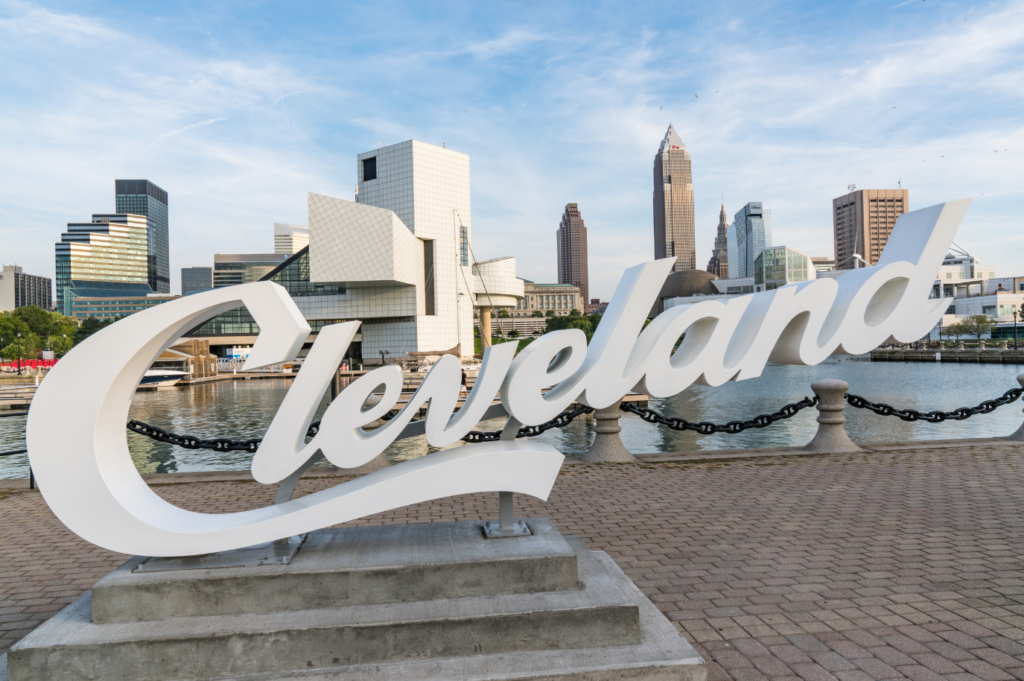
Recognizing the limitations of local contractors, the owners of the Cleveland landmark embarked on a nationwide search for professionals with genuine experience in waterproofing and restoring historic buildings. Their quest led them not to a regional firm, but to a company based in Boston, a city renowned for its own stock of historic architecture and home to experts with long experience in sensitive restorations.
Boston’s foundation waterproofing firm brought to Ohio knowledge accumulated through years of work on some of America’s most storied structures, from colonial churches and 19th-century townhouses to large-scale heritage renovations. Their team included architectural historians, foundation engineers familiar with antique materials, and skilled masons who understood that preservation and protection must go hand in hand.
Preserving Integrity While Securing Stability
The Boston specialists began their work with meticulous assessment. Rather than simply plugging holes or slathering on sealant, they cataloged the building’s foundation materials, studied historic plans, and used non-invasive diagnostics to pinpoint trouble spots. Their approach called for specialized drainage solutions, breathable water barriers, and restoration of weak mortar using formulations matched to the original composition and color.
Where replacements were necessary, they sourced antique bricks and stone, ensuring repairs blended flawlessly with the rest of the structure. Every step was guided by a commitment to reversibility and minimal intervention, two cardinal rules in historic preservation. New technology was discreetly integrated. Advanced water monitoring and vapor barriers concealed beneath antique stonework so that modern protection did not compromise historic fabric.
The Importance of Qualified Specialists
This case makes clear that protecting a landmark’s foundation is not merely a technical job. Uninformed repairs risk stripping away details that tell a building’s story, undermining both its appearance and its value as a piece of community heritage. When the stakes involve artifacts of the past and the pride of the neighborhood, only contractors with proven expertise in historic waterproofing should be trusted.
Clients across the country can learn from the Ohio experience. When deciding who will secure the future of an historic property, don’t be guided only by proximity or price. Seek out skilled specialists, even if it means hiring from far afield. The Boston firm’s careful blend of science and tradition kept an Ohio landmark standing strong, with its historic appearance undiminished, a model for restoration efforts nationwide.
The foundation of an historic building is its anchor to both place and time. Waterproofing such a structure calls for uncommon experience and respect for the past. With the right expertise, it’s possible to both preserve the building’s legacy and ensure its safe future, which is an approach that benefits property owners and the wider community for generations to come.